


The BBC’s new Civilisations series, Rise and Fall, launched this week. I’m one of the contributors to Episode 4, which explores the fall of the samurai 150 years ago, after a climactic last battle at a place called Shiroyama in southern Japan.
It’s a deeply romantic story, made famous in the west by Tom Cruise’s The Last Samurai way back in 2003 and by Japanese artists down the decades.
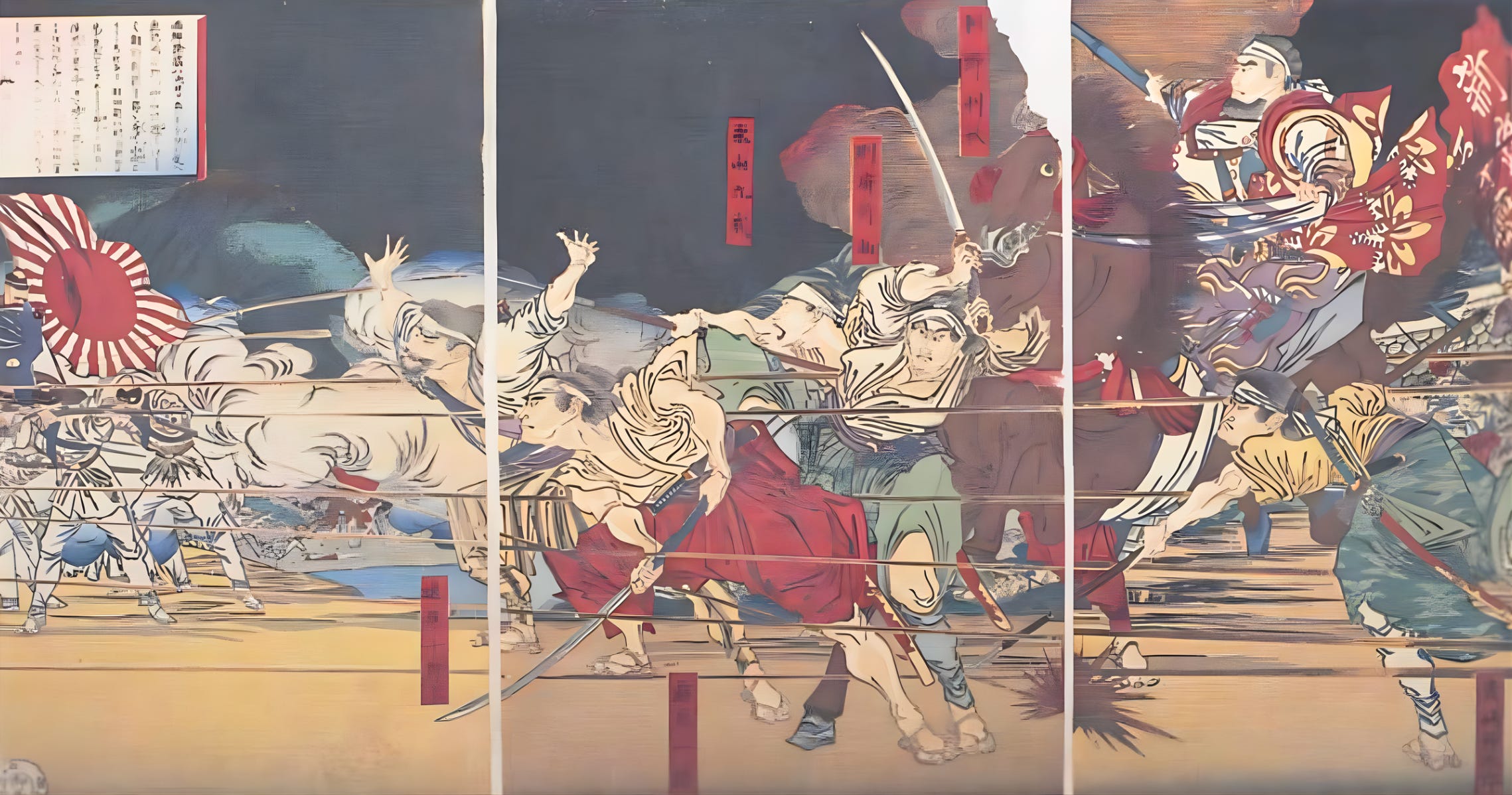
But preparing for my interview got me thinking. When we talk about the ‘fall’ of the samurai in the 1860s and 1870s, it’s fair in a narrow institutional sense: goodbye shogunate, hello (eventually) democratic politics. Yet there’s always a risk of boiling them down to swordsmen and despots. And there’s so much more to the samurai than that.
The word ‘samurai’ comes from the Japanese verb saburau, to serve or attend. They started out, more than a thousand years ago, as bodyguards for anxious aristocrats in Kyoto and as security-for-hire in the provinces.
What’s funny is that up until this point, the Japanese didn’t regard themselves as great warriors. Emperor Kanmu was furious with his imperial army back in 789, after they were sent to fight the Emishi - Japan’s northern ‘barbarians’ - but ended up retreating in disarray:
To advance not at all, and then to dismiss the troops – what kind of reasoning is there in this plan of Our generals? We know that it is because Our generals fear the ferocious rebels that they remain in garrison. They cleverly employ words to avoid facing their crimes. Nothing can surpass this in disloyalty.
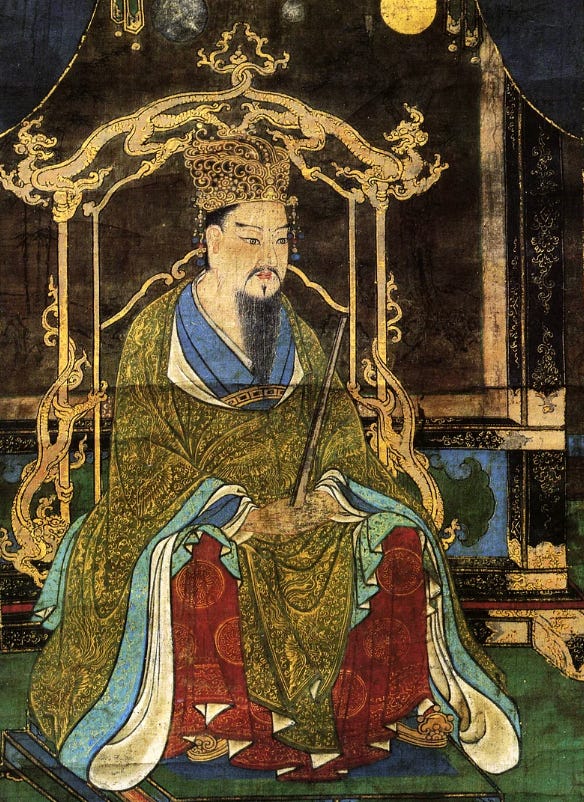
You just can’t get the staff… A sometimes very disappointed Emperor Kanmu, who reigned from 781 to 806.
While the imperial army’s conscripts rarely covered themselves in glory, certain families based out in the countryside were recognised as being good at fighting: using a bow and arrow, swords, fighting from horseback. The two most famous were the Taira and the Minamoto. Both were branches of an imperial family that had become too big and had to shed some members. They were given surnames and told to go and fend for themselves out in the provinces.
It seems almost inevitable now, with the benefit of hindsight, that well-armed and well-trained men would at some point seek power for themselves. That happened in the 1180s, when the involvement of samurai in court politics spilled over into civil war and serious bloodshed. Taira fought Minamoto (although slightly confusingly, some Taira fought on the Minamoto side and vice versa) and the Minamoto emerged victorious in 1185.
Minamoto no Yoritomo was granted the title of shōgun - ‘Barbarian-Crushing Generalissimo’ - and he ran much of Japan from his home-town of Kamakura. Over in Kyoto, the Emperor was confined to ritual, poetry and oversight of vastly reduced lands.
Japan’s emperors were not, of course, going to take all this lying down. There was a constant risk that an emperor might side with enemies of the shogunate and try to bring it to an end.
Had the samurai been those relentless, bloodthirsty killers we sometimes imagine, they could just have put the imperial family to the sword. But that’s not who they were.
They recognised that there was something about the emperor, the imperial court, the history and culture that surrounded those institutions - a sense that they might be descended from or blessed by the gods - which made it impossible for people like Yoritomo simply to do away with them.
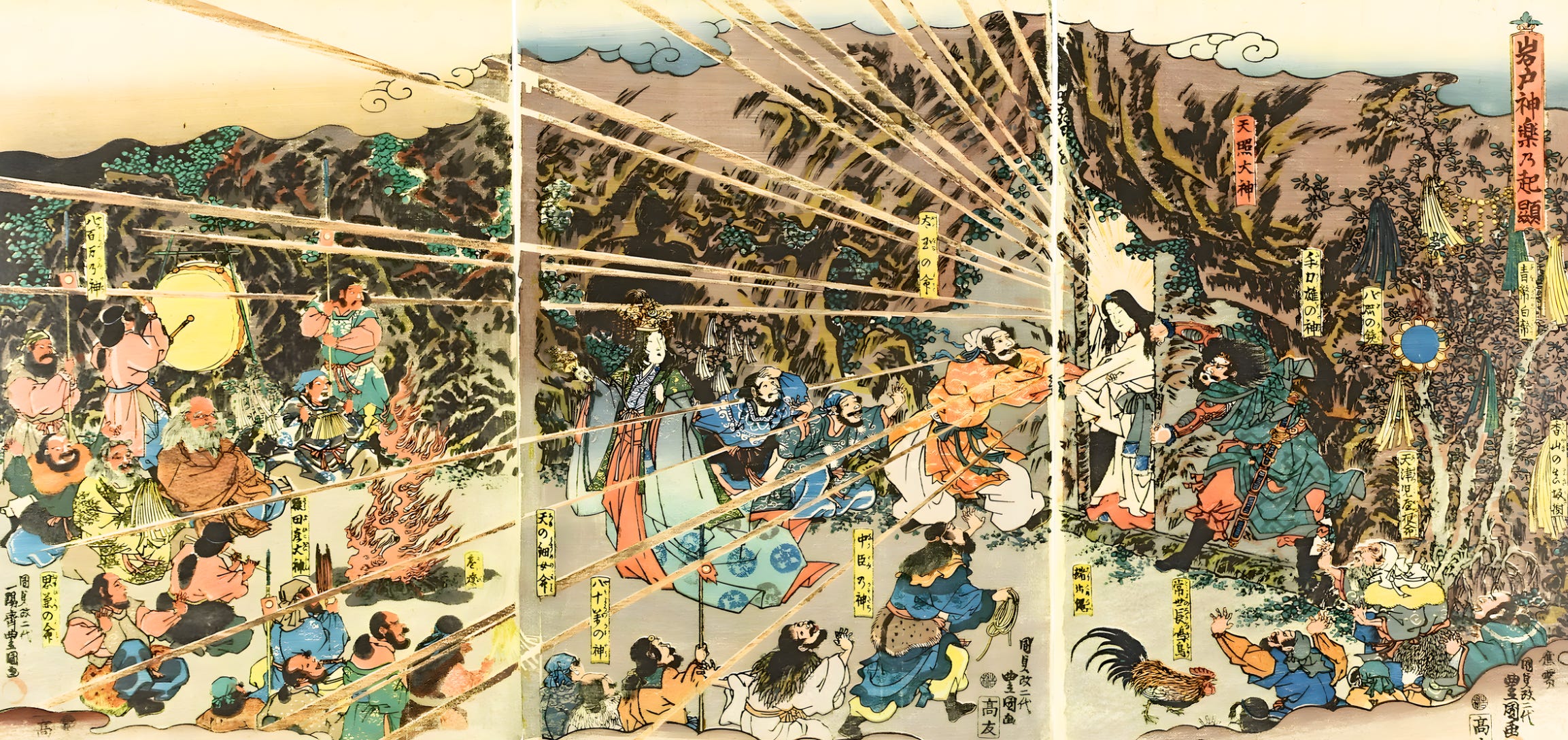
The Sun Goddess, Amaterasu, emerging from a cave in one of the classic stories of Japanese mythology
Not just that. Warriors wanted to be like the nobles of the imperial court. Bravery and martial prowess were important. But when the samurai weren’t fighting, across what became long centuries of running Japan, what were they doing? They were trying to behave like court nobles, like aristocrats.
The samurai, you might say, were social climbers.
You’ll see this if you go to Kyoto. The glorious Golden Temple glitters as it does because it was rebuilt in the 1950s and its gold leaf was redone in the 1980s. But the original temple, like so many other beautiful buildings in Japan’s eternal city, was created by warriors. It was built as a retirement villa for the shōgun, a man called Ashikaga Yoshimitsu, in around 1400.
Other warriors were artists, poets, calligraphers, theatre buffs, experts in the tea ceremony. They learned what they could from China, the home of high art in Japanese eyes. Alongside Buddhist monks and a smattering of court nobles, these warriors became the cultural heartbeat of Japan across much of the medieval and early modern period, carrying on traditions that pre-dated their rise to power.
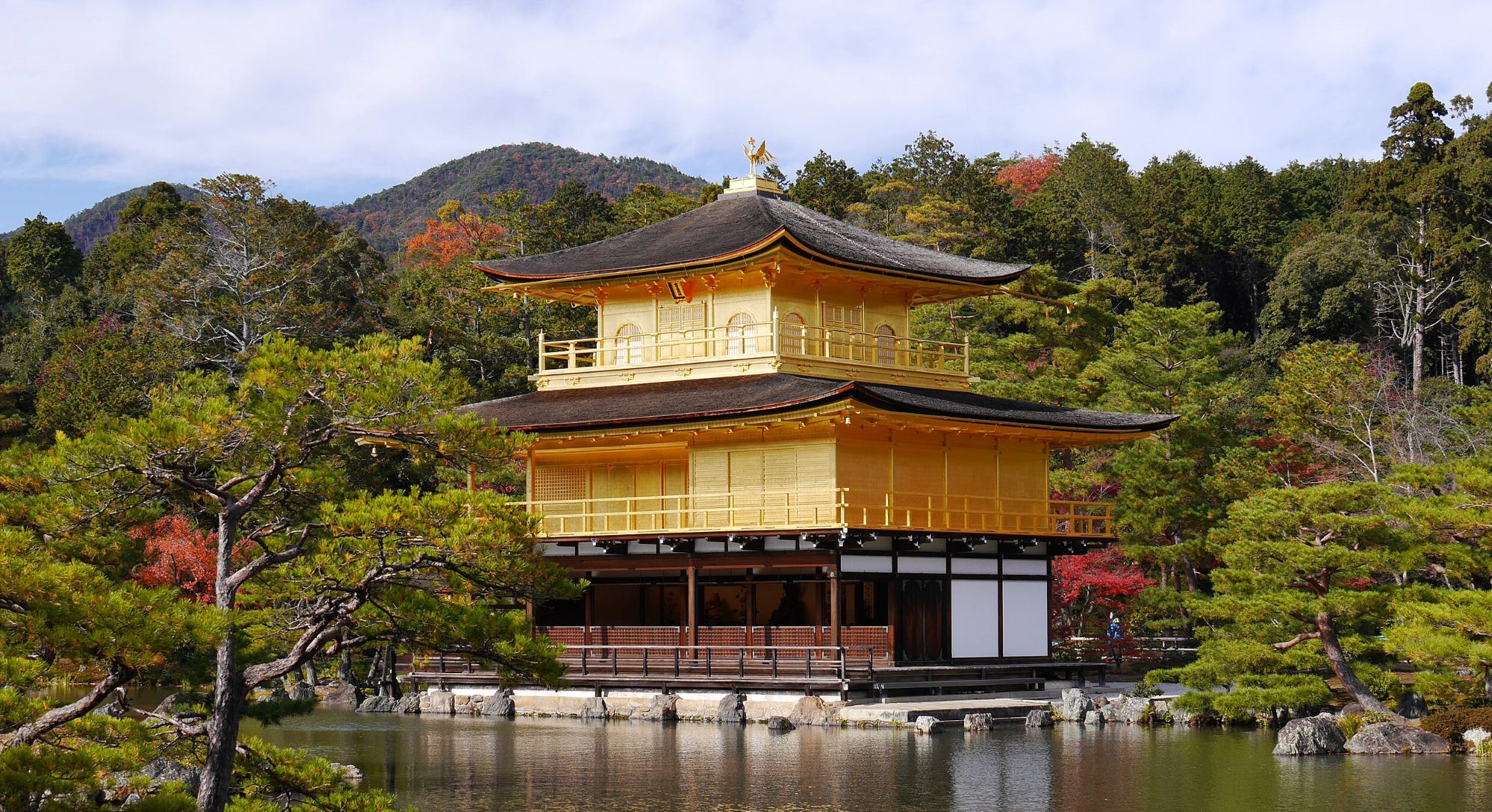
Kinkaku-ji, the Golden Temple
I think this was true even during the high-noon of samurai culture: the era of the warring states.
Oda Nobunaga and Hideyoshi Toyotomi, who helped to unite Japan in the late 1500s and create the country we know today, were both marked by an enigmatic blend of ruthlessness and refinement. Nobunaga was willing to slaughter women and children. But he also liked to dance and sing lines from famous Noh plays. Hideyoshi was a devotee of the tea ceremony - and yet when he fell out with his tea master, he had him killed and then he crucified a statue of him.
Where does samurai honour and bushidō, the famous ‘way of the warrior’, come into all this?
If you’d called Oda Nobunaga a samurai to his face, he might have cut your head off. Or certainly done something unpleasant to you. He didn’t, after all, ‘serve’ anyone. And if you’d asked him about bushidō, he wouldn’t have known what you were talking about.
Nobunaga believed in destiny, family and hierarchy. Military strategy mattered to him, too. But the idea of a warrior code would have been completely alien to him. The period in which Nobunaga lived was dishonourable in almost every way imaginable: slaughter of innocents, trickery, spying, double-crossing, siege, starvation, torture.
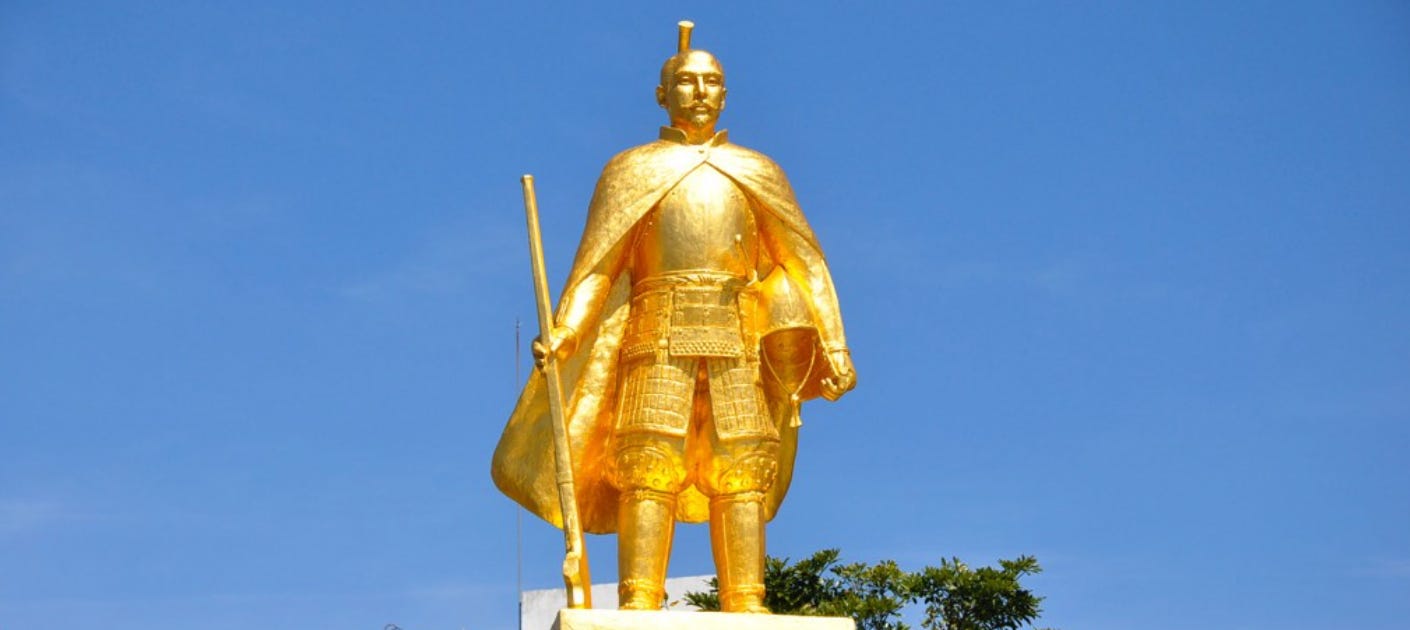
Statue of Oda Nobunaga in his adopted hometown of Gifu.
Codes of honour, whether in Japan or elsewhere, tend to be big in times of peace - not war. When everything is at stake, honour often goes out of the window. No surprise then that bushidō was developed not in times of war but during a long period of peace overseen by the Tokugawa shogunate.
It’s right at the end of this era that people usually talk about the fall of the samurai. Along comes US Commodore Matthew C. Perry and his steam-powered black ships in 1853. The samurai, with their swords and outdated firearms, realise that Japan must change or die. One samurai, Saigo Takamori, is on board with modernising but later changes his mind and leads that famous last stand at Shiroyama in 1877. His men are mown down by modern artillery. This, we’re told, was the end of the samurai.
But I think that’s not quite right - for two reasons.
First, the samurai as most people imagine them had gone already. Warrior work had long since turned into office work. Samurai had become bureaucrats and tax collectors. They wore swords as a status symbol but almost never put on a suit of armour. They might have owned a suit of armour - but as an heirloom, a piece of art.
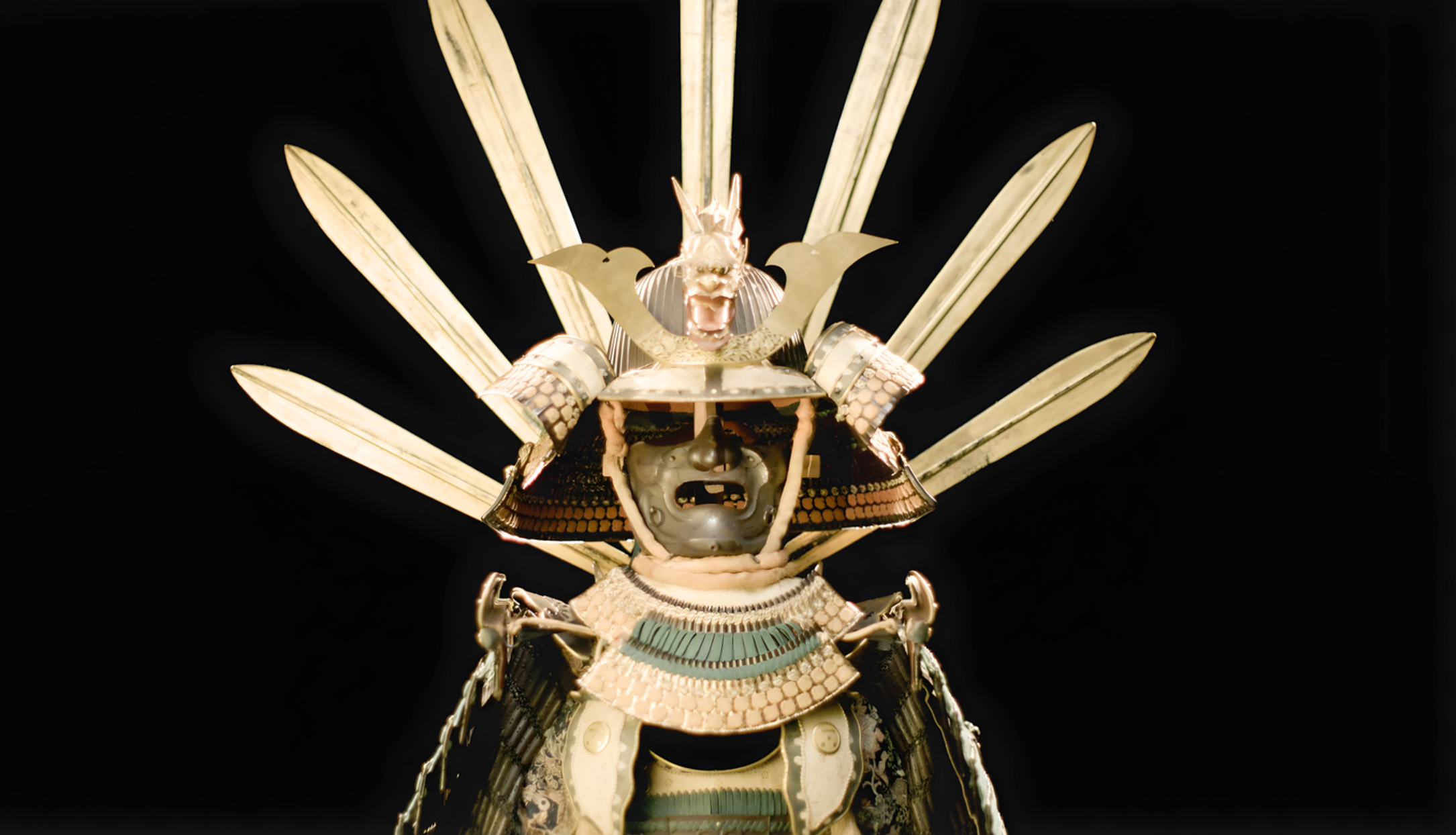
A suit of samurai armour featuring elements from the Muromachi and Edo periods. Owned by the British Museum, it plays a starring role in Civilisations
The second reason why I think it’s not entirely true to say that the samurai went away in the 1870s is that the best of what they stood for - the things for which, alongside battlefield victories, they would wish to be remembered - actually carried on and grew.
The celebrated sumi-e painter, Tōyō Sesshū, had been samurai. So too the great haiku poet, Matsuo Bashō.
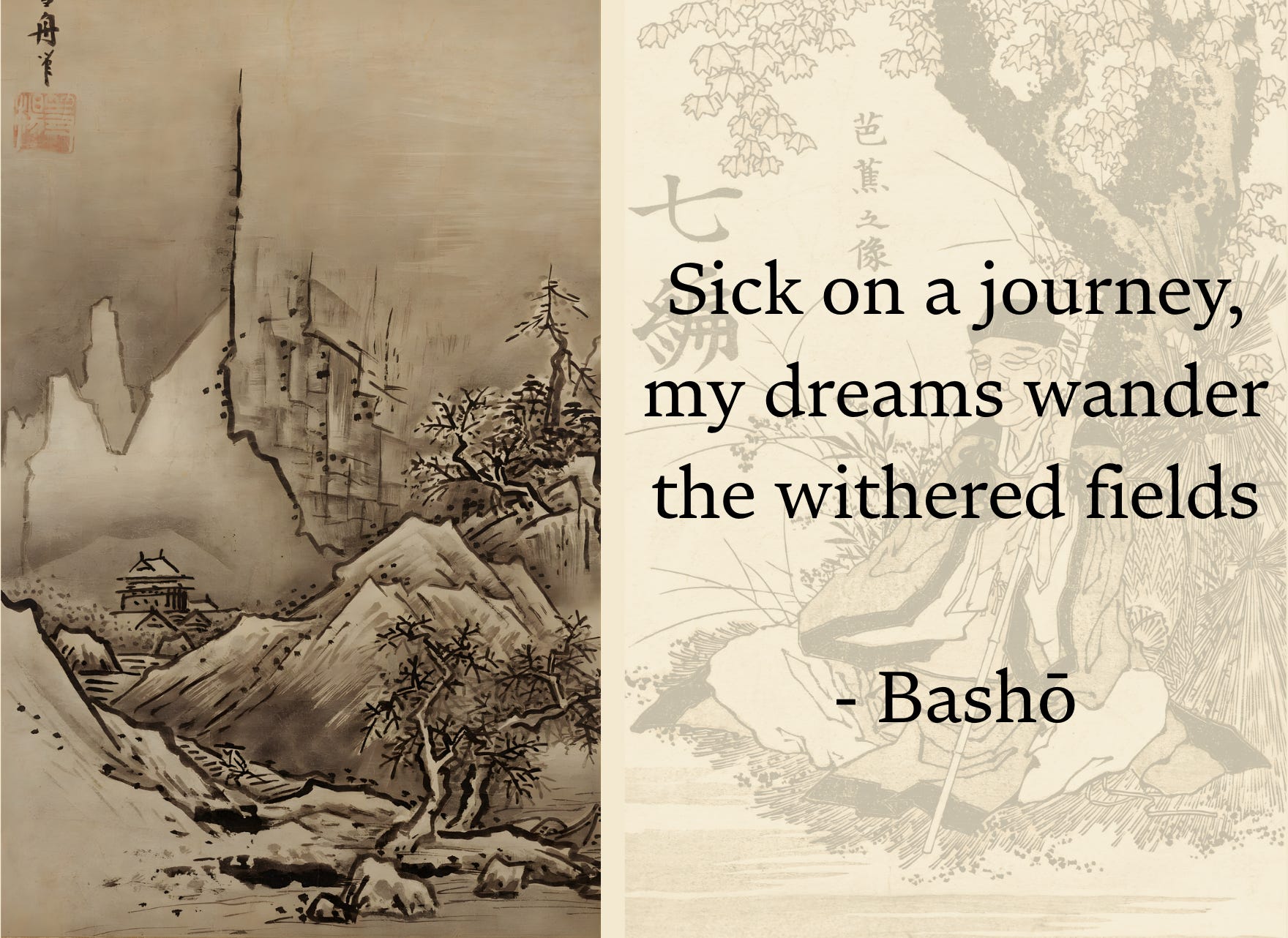
Left: excerpt from Sesshū’s ‘Winter Landscape’. Right: Bashō’s death poem
Following in their footsteps, samurai families contributed some of the greatest names in late 19th and early 20th century Japanese history.
The novelist and social critic, Natsume Sōseki - Japan’s answer to Charles Dickens. Tsuda Umeko, pioneer of women’s education. Hideki Yukawa, Nobel-prize winning physicist. The artist, Yokoyama Taikan. Uchimura Kanzō, Christian convert and intellectual. The father of Japanese capitalism, Shibusawa Eiichi.
All very self-consciously from samurai families and all making remarkable contributions to modern Japan.
So the samurai didn’t really vanish at all. Their swords, battles, armour - yes, these are now the stuff of museums, films, history books and BBC documentaries. But the values and habits of mind that shaped them, and the intellectual and artistic traditions that defined them - which they inherited and carried forward - are still at the heart of life in Japan now.
I enjoyed the parallel between the fundamentals of ancient samurai culture and the foundations of what we now call modern Japan. Thanks for the read!
Great read, thank you! Congrats on the BBC piece!